TL;DR
Dust on the clean side of your filter rack means air is going around the filter instead of through it. On an 11.25x11.25x2 slot, the usual cause is a loose or missing cover, or a 1.75-inch-deep filter tilting in a 2-inch track. Three quick checks locate the leak. Seal the slot before you upgrade the filter.
Key Takeaways
• Dust downstream of the filter is the clearest sign of bypass, and its location points to the leak.
• An 11.25x11.25x2 filter actually measures 11.25 x 11.25 x 1.75 inches, leaving up to ¼ inch (about 6 mm) of play in a 2-inch track.
• Fit matters as much as rating. With a 10 mm gap, a MERV 11 filter performs like a MERV 8.
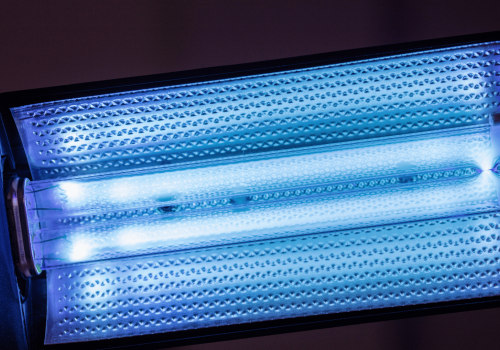
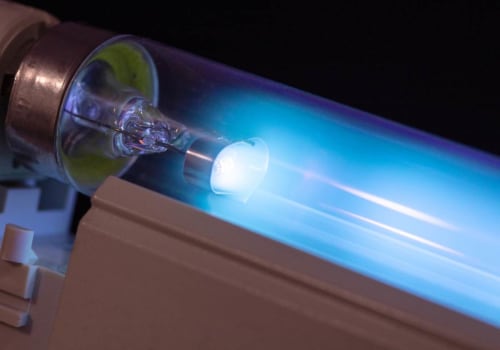
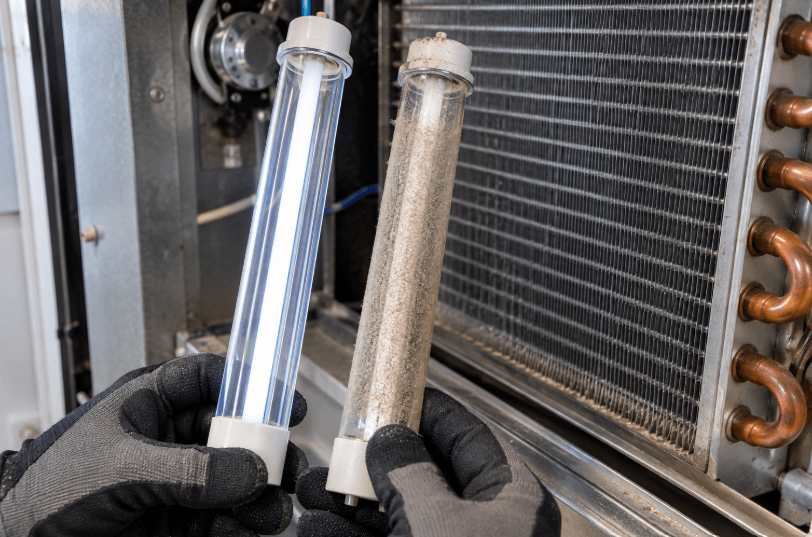
• Bypassed dust settles on the evaporator coil and UV lamp sleeve, cutting UV-C where it matters most.
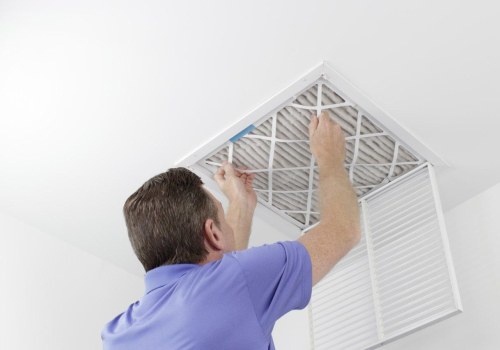
Missing or loose slot covers are a common cause of bypass and the easiest to fix.
Why Is Air Going Around the Filter and Not Through It?
Air goes around a filter because a gap is an easier path than pleated media. In a filter-bypass model by Ward and Siegel, 1 mm gaps barely affected most filters, while larger gaps cut performance substantially. Filters with sizable gaps also got worse as they loaded with dust, because a clogging filter pushes more air toward the gap.
Building scientist Allison Bailes calls filter bypass extremely common, especially at covered slots next to the blower, where suction is strongest. In my inspections, compact 2-inch slots are where I find bypass most often, because the filter can rock in its track every time the blower starts.
Check 1: Is There a Gap Around Your Air Filter Slot?
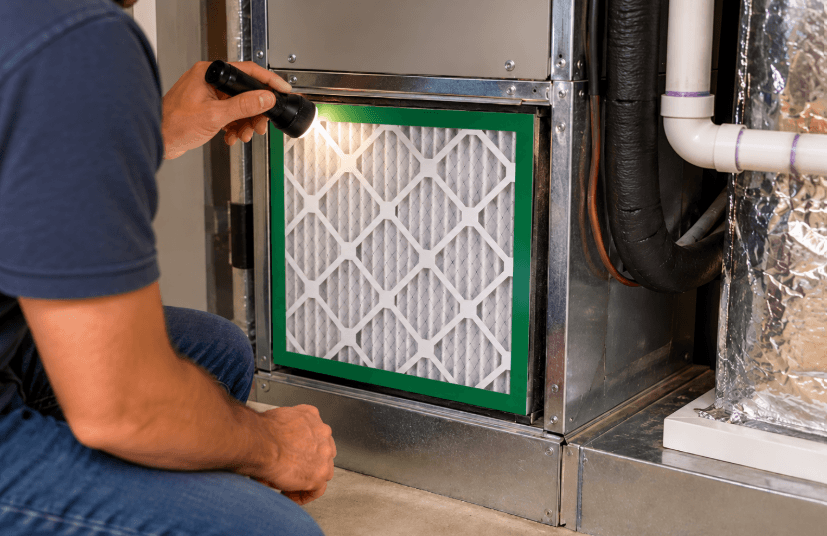
The flashlight test answers this in a minute. With the system off, shine a light from the return side and look for light along the filter’s edges. Before you start, note where dust has collected past the filter, since the pattern often points to the leak.
1. Turn the system off. If you have a UV lamp, switch it off before opening any panel. The FDA warns that direct UV-C exposure can injure the eyes and skin, so review these UV light safety precautions first.
2. Remove the slot cover and check the rack rails and the metal past the filter for dust.
3. Reinsert the filter with the airflow arrow facing the blower, then run the light around all four edges.
Pro Tip: I photograph the rack at every filter change. Comparing photos shows whether a fix is holding before the coil does.
Check 2: Is the Filter Loose in the Return?
Measure the slot’s width, height, and track depth, then compare them with the filter’s actual size rather than its label. The EPA says a filter should fit snugly so air does not leak around it.
The actual dimensions of an 11.25x11.25x2 filter are 11.25 x 11.25 x 1.75 inches. Many sizes run up to half an inch small on the face, but this one matches its label, so a gap around the face usually means a warped rack or a bowed frame. The weak point is depth: a quarter inch of play becomes a leak once the filter can tilt. See why accurate filter measurements matter for UV systems.
How Big Is a ¼-Inch Gap?
A quarter inch is about 6 mm, between the 1 mm and 10 mm gaps Ward and Siegel modeled. Opened along one 11.25-inch edge, it creates about 2.8 square inches of open path, roughly 2% of the filter’s 126-square-inch face. Because that gap has almost no resistance, it carries far more than 2% of the air.
Check 3: Where Is the Small Filter Slot Air Leak?
The tissue test pinpoints it. With the system running, hold a thin strip of tissue near each edge of the filter and cover, and watch for inward pull. Start at the edge nearest the blower, where suction is strongest, then move to the cover seams and duct joints ahead of the blower. A seam that pulls harder than the filter face is your leak.
What Does the Dust Pattern Tell You?
Where the dust lands usually identifies the cause:
• Along the top edge near the blower: the slot cover leaks or is missing.
• On one side only: the filter is tilted or bowed in its track.
• On the coil or lamp sleeve while the filter looks clean: air is entering after the filter through duct seams or cabinet holes.
• Barely any on a 90-day-old filter: air may be skipping it, so run the tissue test before assuming the filter is lasting longer.
How Do You Seal an Air Filter Rack?
Seal the slot first, then choose your filter rating. The U.S. Department of Energy’s weatherization guidance calls for filter slot covers that seal but still remove easily, and UL-listed butyl tape for stray cabinet holes.
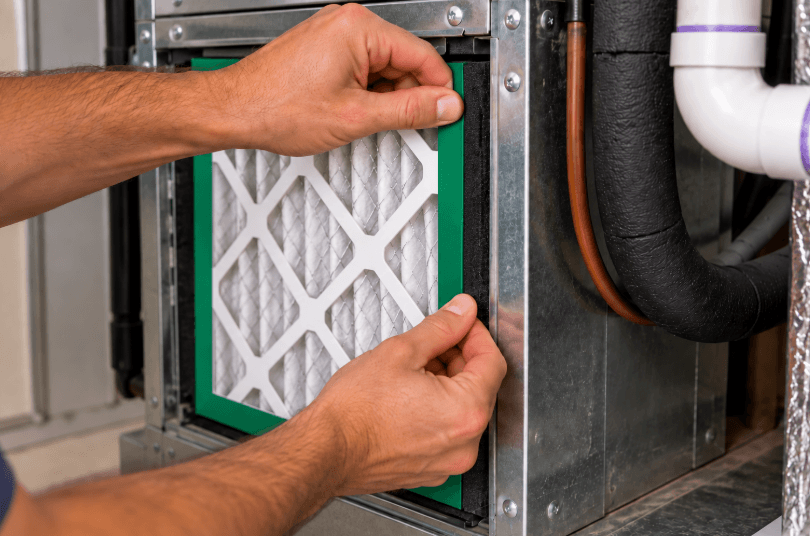
1. Fix the cover. Replace a missing one or refit a loose one.
2. Add closed-cell gasket foam to the rack channel or cover lip so the filter stays square.
3. Tape the cover seam or filter edges with removable tape if dust returns. Bailes found dust past his own weatherstripping after two and a half years and went back to taping.
4. Seal duct seams after the filter with mastic or UL-listed foil or butyl tape.
5. Then upgrade the MERV rating if you want finer filtration.
What Mistakes Make Bypass Worse?
• A 1-inch filter in a 2-inch track leaves even more play. This size is available in MERV 8, 11, and 13, so there is no need to substitute.
• Cloth duct tape dries out and lifts.
• Gluing the filter in place discourages regular changes.
• Upgrading MERV to fix dust adds resistance, which pushes more air through any remaining gap.
How Do You Know the Fix Worked?
Check the old filter’s downstream frame at the next change. A clean frame means the seal held, while a dusty edge shows where air slipped around. If the dust line hasn’t returned after one full change cycle, I consider the slot sealed.
Why Does Filter Bypass Matter More With a UV Light?
Bypassed dust lands on the coil and lamp that a UV system is meant to keep clean. Contracting Business reports that bypass air fouls coils and fans, and that moderate bypass can dramatically increase heat exchanger fouling.
On UV systems, the lamp sleeve is often my first clue. A gray film usually means dust is getting past the filter. That film blocks UV-C before it reaches the coil, so pair a sealed slot with a regular filter change schedule for UV systems.
“Before anyone upgrades to a higher MERV filter, I ask them to fix the fit. A MERV 11 filter with a 10 mm gap performs like a MERV 8, so the upgrade buys nothing until the slot seals.”
Essential Resources on 11.25x11.25x2 Air Filters: 7 Guides From Fit to Filter Change
These seven resources follow the order of a real decision, from confirming the size to maintaining the system.
1. Confirm Your Filter’s True Size Before You Buy
Source: Filterbuy, 11.25x11.25x2 Air Filters
Filterbuy lists this filter’s actual size as 11.25 x 11.25 x 1.75 inches and makes it in MERV 8, 11, and 13.
2. Choose a Rating Your System Can Handle
Source: U.S. EPA, Guide to Air Cleaners in the Home
The EPA recommends the highest-rated filter your system fan and filter slot can accommodate, installed snugly enough that air cannot leak around it.
3. Match Your Filter to a UV Light System
Source: Finding the Best MERV Rating to Pair With HVAC UV Light Systems
This guide suggests MERV 11 to 13 for allergy concerns and cautions that ratings above 13 may restrict airflow.
4. See Why Gaps Cancel Out a High MERV Rating
Source: Ward & Siegel, Modeling Filter Bypass (California Energy Commission)
This model shows a 10 mm gap dropping MERV 15 and MERV 11 filters to MERV 8 performance.
5. Spot the Hidden Leaks Around Your Filter Slot
Source: GreenBuildingAdvisor, Eliminating Filter Bypass for Cleaner Air
Building scientist Allison Bailes shows real bypass examples, including gapped and missing slot covers.
6. Seal Your Filter Slot the Right Way
Source: U.S. DOE, Seal Ducts With Mastic (Job Aid 19-1)
The DOE’s weatherization job aid covers sealing filter slot covers, air handler holes, and duct seams.
7. Keep Your System Performing Year-Round
Source: ENERGY STAR, Heat & Cool Efficiently
ENERGY STAR recommends checking your filter monthly and changing it at least every three months.
Supporting Statistics
• 25–35% of airflow can bypass a filter with a 10 mm gap, compared with under 5% at 1 mm, according to Ward and Siegel’s model filed with the California Energy Commission.
• MERV 13 filters must capture at least 50% of particles between 0.3 and 1.0 microns, according to the U.S. EPA.
• Sealing ducts can improve heating and cooling efficiency by as much as 20%, according to ENERGY STAR.
Final Thoughts
On an 11.25x11.25x2 slot, dust problems usually come from fit rather than filter quality. A quarter inch of depth, a loose cover, or a leaky duct seam can send unfiltered air to your coil and UV lamp regardless of MERV rating. Close those gaps first, and whichever filter you choose can do its job.
Next Steps
1. Run this five-minute routine at your next filter change:
2. Turn off the system and any UV lamp.
3. Photograph the rack and note where the dust line sits.
4. Measure the track depth against the filter’s 1.75-inch actual depth.
5. Seat the new filter square, refit the cover, and seal any gap.
6. Turn the system on and tissue-test the blower-side edge first.
Frequently Asked Questions
Can a higher-MERV filter fix bypass?
No, it can make bypass worse. In Ward and Siegel’s model, a 1 mm gap cost a MERV 15 filter one point, and a 10 mm gap dropped MERV 15 and MERV 11 filters to MERV 8 performance. Seal the slot first, then see how to choose a MERV rating for a UV-equipped system.
Does bypass get worse as the filter loads?
Yes. A loaded filter resists airflow more, so more air takes the gap. Contracting Business reports bypass flow can rise by as much as 10% once a filter is dirty.
Why does my 11.25x11.25x2 filter rattle?
Its actual depth is 1.75 inches, so it can shift inside a 2-inch track. Gasket foam in the channel or a snug cover usually stops both the movement and the leak.
How often should I change an 11.25x11.25x2 filter?
A general recommendation is to replace the filter every 90 days, every two months with pets, and every six weeks if someone in the home has asthma or allergies. On a slot with a history of bypass, check the dust line at every change.
When should I call a professional?
Call a technician if dust keeps appearing after you seal the rack. That usually points to a return-duct leak or a UV lamp and coil that need service.
Ready to Replace Your Filter?
Once your slot seals, order the 11.25x11.25x2 filter in the MERV rating that fits your home from Filterbuy, which lists the actual 1.75-inch depth for this size. If dust keeps returning after sealing, schedule a UV lamp and coil inspection with a local HVAC technician.
Glossary
Filter bypass: Air that flows around a filter through gaps instead of through its media, carrying unfiltered particles downstream.
Nominal vs. actual size: The rounded label (11.25x11.25x2) versus the true measurement (11.25 x 11.25 x 1.75 inches).
Dust line: The band of dust past a filter that marks where bypass air enters.
MERV: Minimum Efficiency Reporting Value, the ASHRAE Standard 52.2 rating of how well a filter captures particles.
Filterbuy: A U.S. air filter manufacturer based in Talladega, Alabama, that makes pleated HVAC filters in MERV 8, 11, and 13.
Learn more about HVAC Care from one of our HVAC solutions branches…
Filterbuy HVAC Solutions - West Palm Beach FL
1655 Palm Beach Lakes Blvd., Ste 1005 West Palm Beach, FL 33401
(561) 448-3760
https://maps.app.goo.gl/VarpgNZnxuPQuW8A7